ActiveBall Performance Guide Golf Clubs And Golf Balls

Golf Essentials Guide

Golf gear should feel intentional before the first tee shot. This guide explains how to build a smarter golf setup around the essentials that matter most: reliable clubs, the right golf balls, controlled practice, clean course preparation, equipment care, and a clear buying framework. Whether you are learning the game, upgrading a weekend set, or refining a more consistent playing routine, ActiveBall helps you choose gear with confidence instead of guesswork.

Clubs First Build around control, forgiveness, distance coverage, and comfortable setup.
Ball Matters The right golf ball helps shape feel, flight, spin, and short-game confidence.
Practice With Purpose Better gear works best when paired with focused repetition and simple routines.
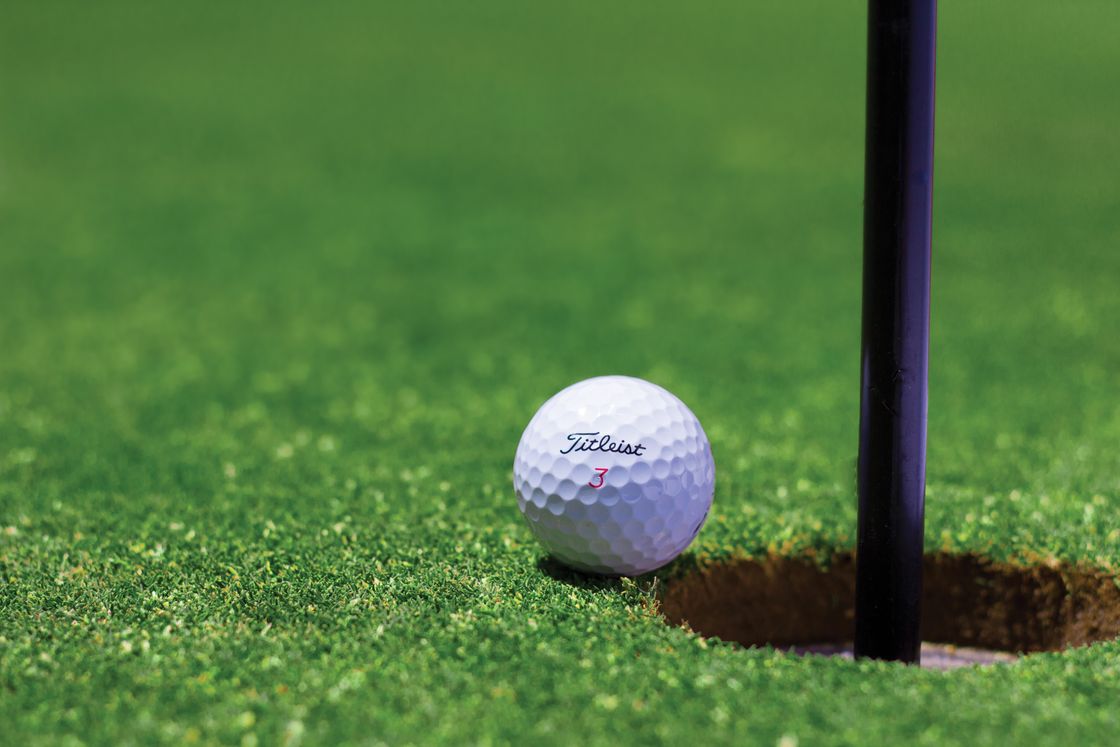
Real golf club and golf ball on a green course
Club Control And Feel
Real golf ball positioned on a tee at a golf course
Ball Flight Confidence
Guide Overview

A refined approach to better golf gear.

Golf can feel complicated because every product promises distance, control, spin, forgiveness, or tour-level precision. The smarter approach is to build a clean equipment foundation first. Start with clubs that help you make repeatable contact, choose balls that suit your current swing and short-game needs, then add practice structure and maintenance habits that keep your gear consistent.

The ActiveBall golf philosophy

A premium golf setup does not need to be crowded. It should be balanced, useful, and easy to trust. The right gear gives you clear distance gaps, predictable launch, a comfortable grip, dependable feel around the green, and enough forgiveness to keep the game enjoyable while you improve.

For most players, the essential setup begins with a reliable driver or fairway option, forgiving irons, a controlled wedge profile, a putter that feels stable, and golf balls that match the player’s speed, touch, and course conditions. From there, the difference is not just what you buy. It is how consistently you use, maintain, and evaluate your equipment.

  • Choose gear that fits your real game. Do not buy only for maximum distance. Consider forgiveness, launch, comfort, confidence at address, and how often you play.
  • Build a setup with clear purpose. Each club should have a job: tee distance, fairway control, approach accuracy, short-game touch, bunker escape, or putting stability.
  • Match the golf ball to your priorities. Some players need softer feel and straighter flight. Others prioritize greenside spin, lower driver spin, or durable value for frequent rounds.
  • Maintain equipment like performance gear. Clean club faces, healthy grips, organized balls, and protected storage all help preserve feel and consistency.
Drivers Fairway Woods Hybrids Iron Sets Wedges Putters Golf Balls Gloves Tees Towels Markers Storage
Essential System

The four-part golf foundation.

Great golf gear works as a system. Clubs, balls, course accessories, and maintenance habits should support one another. When each part has a role, your bag becomes easier to manage and your practice becomes more focused.

Distance equipment

Distance gear includes the driver, fairway wood, and sometimes a hybrid. The goal is not only power. A good distance setup helps you launch the ball cleanly, reduce severe misses, and find playable positions more often. For developing players, forgiveness and confidence at address usually matter more than aggressive low-spin performance.

Approach control

Irons and hybrids shape the middle of the game. They should create sensible yardage gaps and support clean contact from fairways, light rough, and tee boxes on shorter holes. Forgiving cavity-back profiles, stable shafts, and comfortable swing weight can help players build more consistent approach routines.

Short-game touch

Wedges and golf balls work together around the green. The right wedge setup helps with pitch shots, chips, bunkers, and partial swings. The right ball adds predictable feel and stopping behavior. This is where many players save strokes without needing more swing speed.

Putting stability

A putter should help you aim, start the ball on line, and repeat distance control. The best putter for you is not always the trendiest one. Look for a shape, length, weight, alignment style, and face feel that make short putts calmer and long putts easier to pace.

Golf Club Guide

How to think about every club in the bag.

Clubs are not just categories. They are distance tools, control tools, recovery tools, and scoring tools. A smart set gives you enough coverage for different shots without making the bag confusing.

Driver

The driver is designed for maximum tee distance, but the best driver is the one you can put in play. Players who fight slices, low launch, or inconsistent contact should consider forgiveness, higher launch, larger sweet spot behavior, and confidence at address before chasing low-spin distance claims.

  • Prioritize confidence on the tee.
  • Look for a stable head profile.
  • Match shaft feel to swing tempo.
  • Use consistent tee height during practice.

Fairway woods

Fairway woods can be used from the tee or fairway when you need controlled distance. A 3-wood can be powerful but harder to launch for some players. Higher-lofted woods may be easier to hit and can create a more reliable second-shot option.

  • Useful on narrow tee shots.
  • Helpful for long fairway approaches.
  • Higher loft may improve launch.
  • Comfort matters more than ego distance.

Hybrids

Hybrids are designed to replace harder-to-hit long irons for many players. They can help launch the ball higher, glide through rough more easily, and provide a confident option for long approach shots.

  • Great for moderate swing speeds.
  • Useful from rough and fairway lies.
  • Often easier than long irons.
  • Excellent for longer par-three holes.

Irons

Irons create the core distance ladder of the bag. Forgiving irons can help preserve ball speed on off-center contact, while more compact irons may give skilled players more feedback and shot-shaping control. Most recreational players benefit from consistency and launch support.

  • Check distance gaps between clubs.
  • Choose forgiveness for consistency.
  • Keep grooves clean for better contact.
  • Practice one reliable stock shot first.

Wedges

Wedges handle scoring shots inside approach range. Gap, sand, and lob wedges can support different yardages and shot shapes. Bounce and sole shape matter, especially for bunker shots, soft turf, firm turf, and players with steep or shallow swings.

  • Use wedges for partial swing control.
  • Choose bounce for your turf conditions.
  • Clean grooves after practice sessions.
  • Build one go-to chip shot first.

Putter

The putter is the most frequently used club in many rounds. Look for alignment clarity, stable head weight, comfortable length, and face feel that helps distance control. A putter should reduce tension, not add complexity.

  • Choose alignment you can trust.
  • Match head style to stroke comfort.
  • Practice start line and speed together.
  • Keep the grip clean and dry.
Golf Ball Guide

Choose golf balls with a clear purpose.

Golf balls influence feel, launch, spin, durability, and short-game control. A premium choice is not automatically the right choice for every player. The right ball should support how you actually strike shots, how often you play, and what you need most from tee to green.

What ball type should you consider?

Newer and recreational players often benefit from a ball that feels soft, launches easily, and keeps the game manageable. Players with stronger control may prefer a ball with more greenside spin and precise feedback. High-speed players may want lower driver spin and more controlled flight, while frequent practice players may value durability and consistent feel across multiple rounds.

Instead of switching constantly, test one ball type for several rounds. Track driver flight, iron carry, wedge stopping power, putting feel, and durability. A ball that performs consistently across your full game is usually more useful than one that only feels impressive on a single shot.

Golf ball decision points

Use these signals to choose a ball more intelligently before your next round.

Soft feel Helpful for players who want comfortable putting feedback and a smoother impact sensation.
Distance focus Useful for players seeking stronger launch, straighter flight, and reliable tee performance.
Greenside spin Important for players who want more control on chips, pitches, and approach shots.
Durability Valuable for practice-heavy players who want a ball that holds up across more holes.
Course Setup

Prepare the bag before the first tee.

A strong round begins before you swing. The most polished players keep their equipment simple, organized, and ready. Good preparation reduces distractions and helps you focus on decisions, tempo, and execution.

Confirm the essentials

Check that you have the clubs you plan to use, enough golf balls, tees, a glove, ball marker, divot tool, towel, and any weather-appropriate items. A clean checklist prevents last-minute stress.

Clean contact surfaces

Wipe club faces and grooves before the round. Dirt and moisture can reduce predictability, especially on wedges and irons where spin and clean contact matter most.

Organize the bag

Keep woods, hybrids, irons, wedges, and putter in consistent locations. Store balls and accessories where you can reach them quickly without slowing down the group.

Warm up with intent

Start with half swings, then build toward full swings. Practice a few chips and putts to calibrate distance. The goal is rhythm and feel, not proving your longest shot.

Choose a first-tee plan

Decide whether driver, fairway wood, hybrid, or iron gives the best opening shot. A confident and playable first swing sets the tone better than forcing maximum distance.

Buying Checklist

A practical checklist before you buy.

Use this checklist to compare golf clubs and golf balls with more confidence. The best equipment for your game should be easy to understand, comfortable to use, and aligned with your current goals.

Category What To Check Why It Matters Best For
DriverDistance club Forgiveness, launch, shaft feel, head confidence, tee shot consistency. A playable driver helps reduce penalty shots and makes longer holes easier to manage. Players who want more confident tee performance.
Fairway WoodControl distance Loft, ease of launch, turf interaction, tee-box comfort, second-shot usefulness. A fairway wood can be a safer tee option and a useful long approach club. Players who want distance without always using driver.
HybridLong iron alternative Launch height, forgiveness, lie versatility, confidence from rough or fairway. Hybrids can make longer shots easier for players who struggle with long irons. Developing players and moderate swing speeds.
IronsApproach ladder Distance gaps, forgiveness, shaft comfort, launch, face feedback, set composition. Irons shape most approach shots, so predictable gaps are more useful than random distance. Players building consistency into the middle of the bag.
WedgesScoring control Loft spacing, bounce, sole design, groove condition, comfort on partial swings. Wedges help save strokes around the green and support controlled approach distances. Players working on short-game precision.
PutterGreen stability Length, head shape, alignment, weight, face feel, distance-control confidence. Putting performance depends on aim, speed, and repeatable feel more than appearance alone. Every player, from beginner to advanced.
Golf BallsFeel and flight Softness, spin, launch, durability, visibility, putting feel, short-game control. The ball affects every shot, making consistency more valuable than constant switching. Players who want predictable performance across the full round.
Practice And Care

Keep your gear consistent over time.

Premium gear performs best when it is cared for like equipment, not clutter. Simple maintenance and structured practice help preserve feel, reduce inconsistency, and make every round easier to prepare for.

Clean clubs regularly

Wipe club faces after practice and rounds. Use a towel and appropriate brush to remove dirt from grooves, especially on wedges and irons. Clean grooves help preserve contact quality and more predictable spin.

Inspect grips often

Worn or slick grips can create tension and reduce control. If grips feel glossy, hard, cracked, or slippery, it may be time to clean or replace them. A stable grip helps your swing feel calmer.

Track ball performance

Keep notes on how your ball performs with driver, irons, wedges, and putter. If one ball type gives you better control and confidence across the round, stay consistent rather than changing every week.

Practice with targets

Avoid hitting endless balls without purpose. Pick targets, choose clubs deliberately, and rehearse course-style decisions. Quality practice builds trust faster than volume alone.

Protect the bag

Store clubs in a dry space and avoid leaving gear in extreme heat or moisture for long periods. Use headcovers where appropriate and keep accessories organized so they do not damage club finishes.

Review your setup

As your game improves, review distance gaps, wedge needs, ball preference, and club confidence. Gear should evolve with your game, not distract from it.

Questions

Golf essentials questions.

These answers help simplify common golf gear decisions. Each question stays closed until selected, so the page remains clean and easy to scan.

What golf clubs should a beginner prioritize first?
A beginner should prioritize clubs that are easy to launch, forgiving on off-center contact, and comfortable to swing. A practical starting point is a driver or fairway option, a hybrid, forgiving irons, one or two wedges, and a putter. The goal is not to carry the most advanced setup. The goal is to build confidence with clubs that make the game easier to learn.
How do I know which golf ball is right for my game?
Start by identifying what you need most: softer feel, straighter flight, more greenside spin, better durability, or more distance. Test one ball type for several rounds instead of switching constantly. Pay attention to driver control, iron carry, wedge stopping power, putting feel, and how well the cover holds up.
Are expensive golf balls always better?
Not always. A premium ball can offer strong short-game spin and precise feedback, but it may not be the best match for every player. Many golfers benefit more from a ball that feels comfortable, flies predictably, and supports their current swing. Consistency matters more than price alone.
Should I use hybrids instead of long irons?
Many players find hybrids easier to launch and more forgiving than long irons. If long irons feel difficult from the fairway or rough, a hybrid can provide more confidence and better playable distance. Stronger ball strikers may still prefer long irons for lower flight and control.
How often should I clean my clubs?
Clean club faces and grooves after practice sessions and rounds, especially wedges and irons. Dirt, grass, and moisture can affect contact and spin. A quick wipe during the round and a deeper cleaning afterward can help keep performance more predictable.
What makes a golf setup feel more premium?
A premium golf setup feels organized, intentional, and reliable. It includes clubs with clear distance roles, golf balls that match your game, clean grips, protected storage, and accessories that support the round without clutter. The most refined setup is one you can trust under pressure.
ActiveBall Support

Need help choosing golf gear?

ActiveBall supports players looking for a cleaner, more confident golf setup. Whether you are comparing golf clubs, choosing golf balls, planning a practice routine, or preparing a gift for a golfer, our support team can help you navigate the essentials with a clear and practical approach.

Store ActiveBall
Address 3541 Bridgeford Dr, Sacramento, CA 95834, United States